For SaaS teams exploring PLG or refining it, here are five product strategies that make adoption smoother and faster, illustrated with real examples from popular tools.
1. Make room for self-discovery
When users land in your product, they’re expecting progress, not a tour. Design should guide them just enough to give a sense of momentum, without making it feel like a lesson. Think missions with clear goals, quick feedback, and small wins along the way.
This is less about gamification and more about building confidence early. Let users explore, experiment, and feel like they’re the ones making things happen.
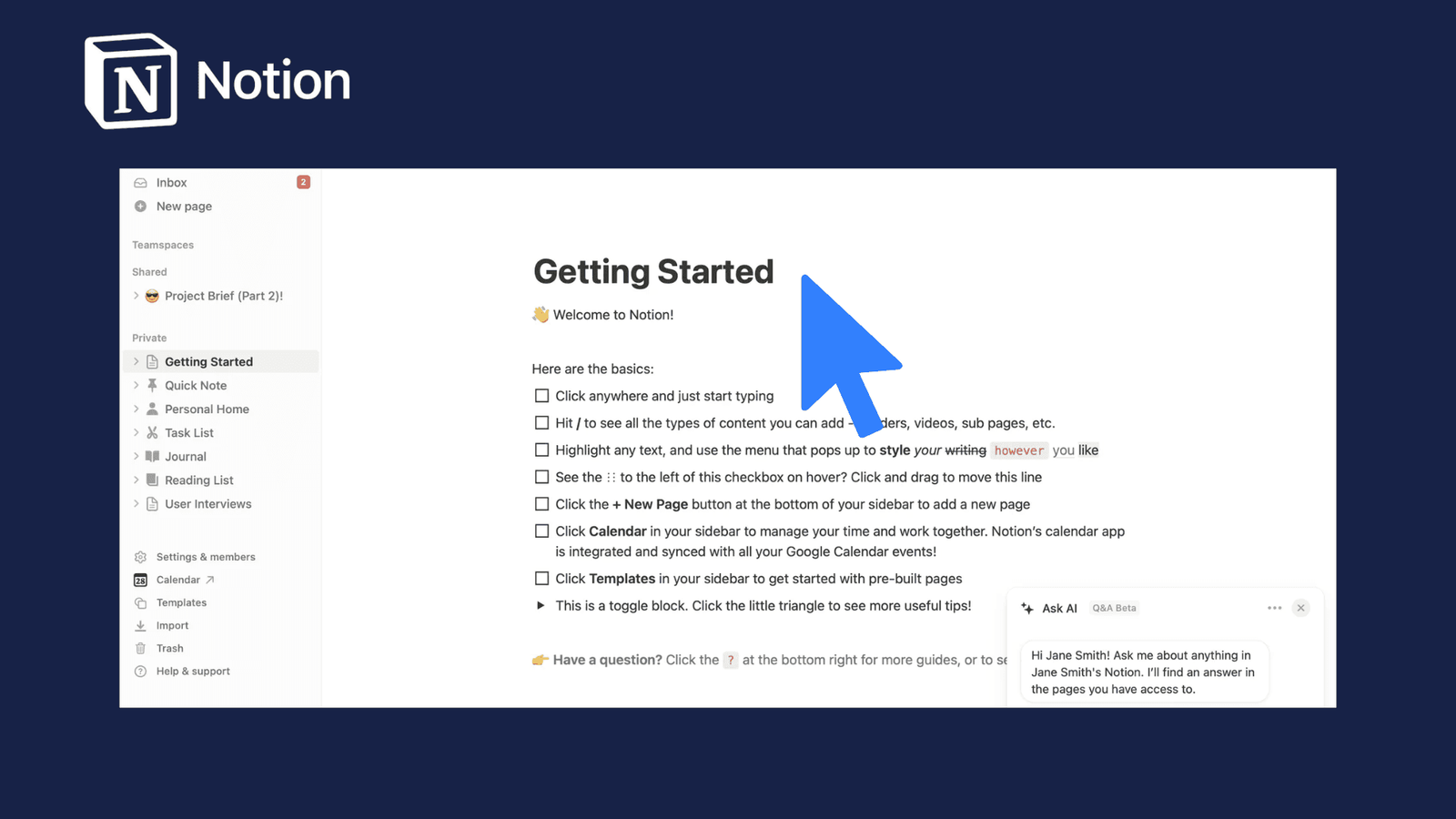
Take Notion, for example. You unlock understanding as you go, without ever feeling blocked by a “first, watch this” wall.
2. Personalize the experience for different styles and roles
Not every user learns the same way. Some are builders who dive straight into the UI. Others prefer structure, explanations, and a clear next step. Both are valid, and both deserve a path that fits their style.
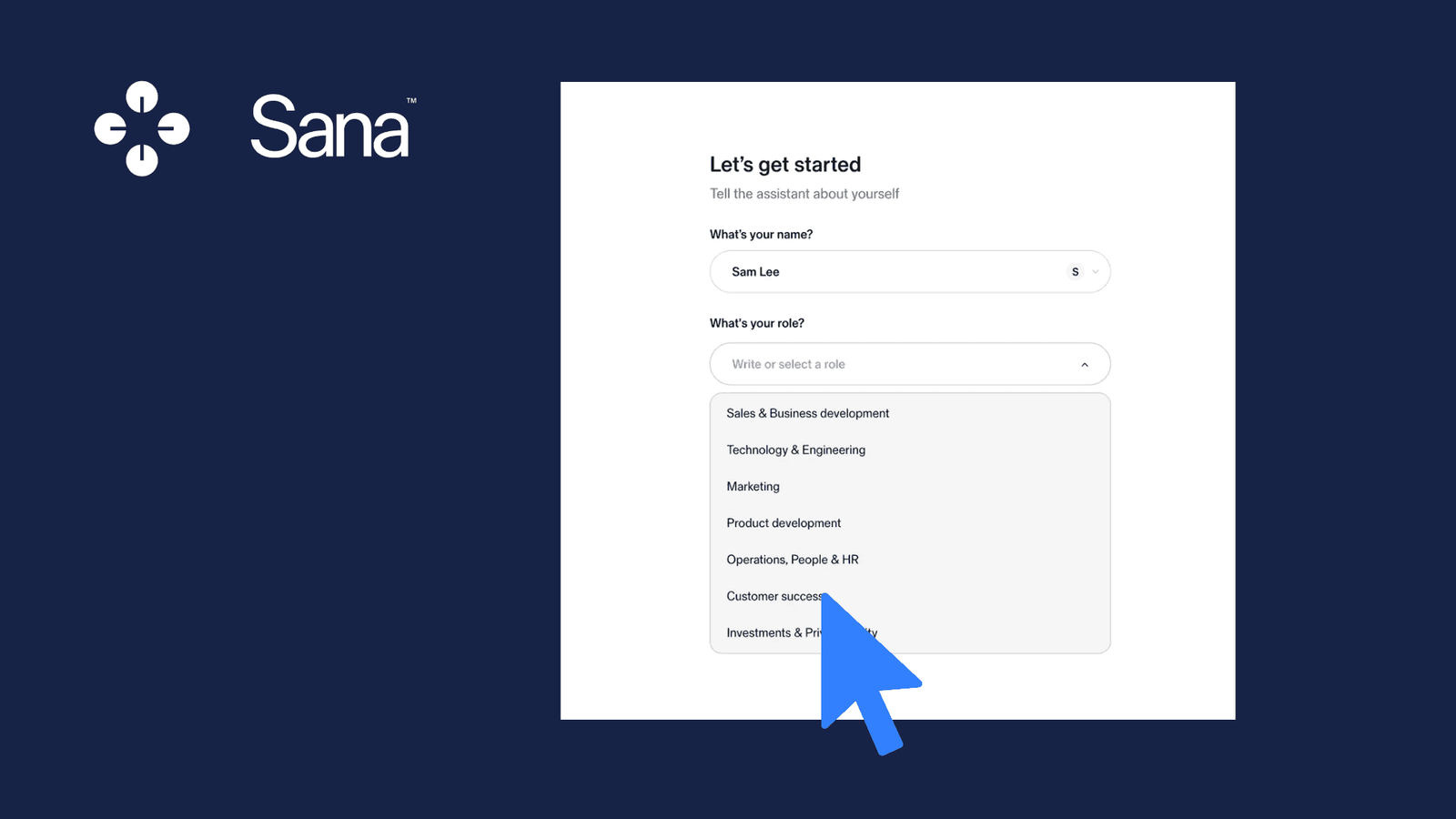
The same goes for role-based personalization. A marketer, a sales leader, and a developer won’t explore your product in the same way or look for the same outcomes. Asking just one or two smart questions up front can let you frame the experience with more relevance and less noise.
Good design doesn’t assume it knows the user. It adapts to meet them where they are.
3. Support collaboration, at the right moment
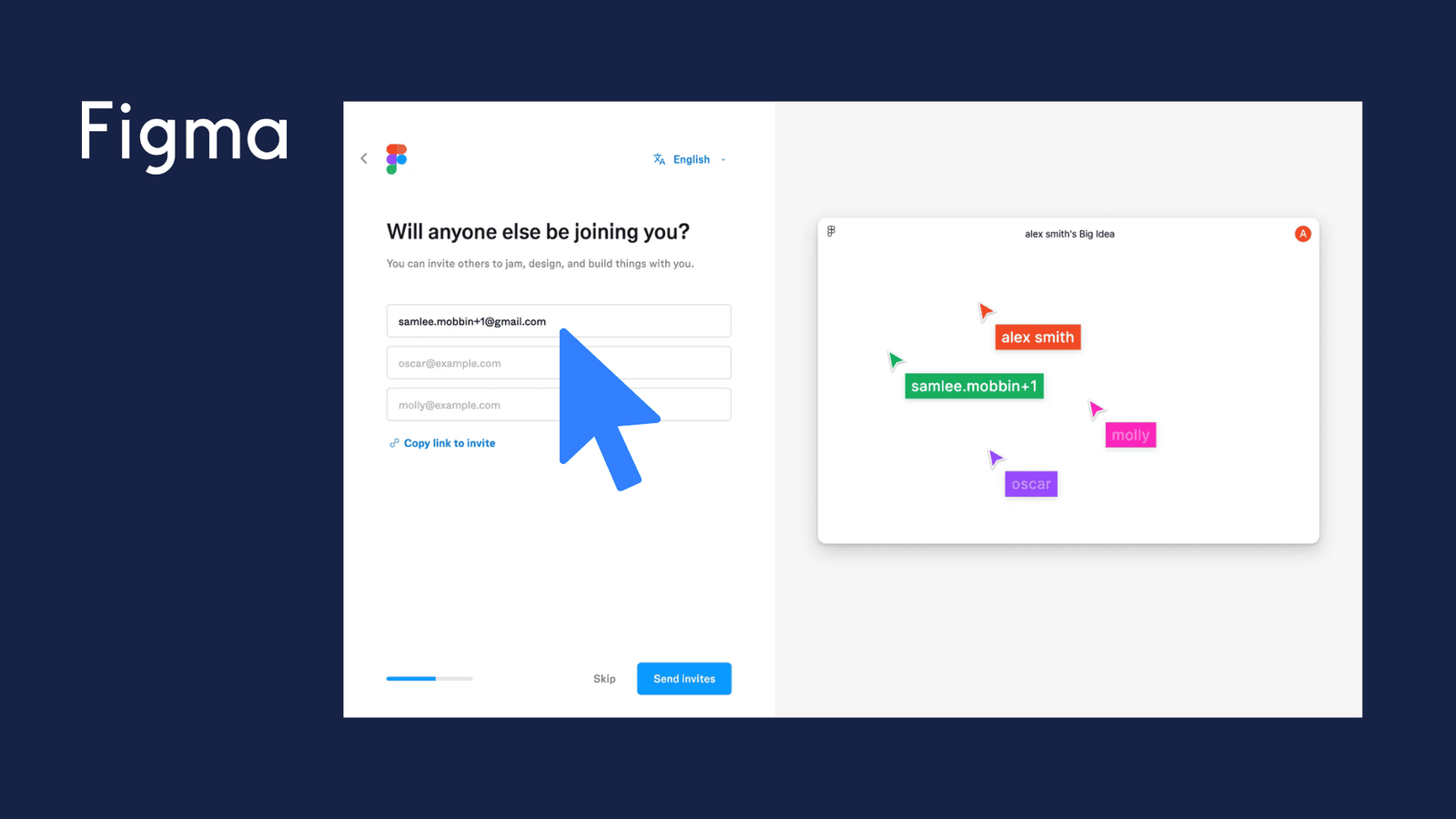
B2B products become more valuable when they’re shared. But inviting teammates too early can backfire. People want to understand what they’re recommending before they loop others in.
Design for shareability first. Let users export graphs, copy insights, or share snapshots with their team. Add a subtle layer of branding when they do. This builds awareness inside the company while still respecting the user’s pace.
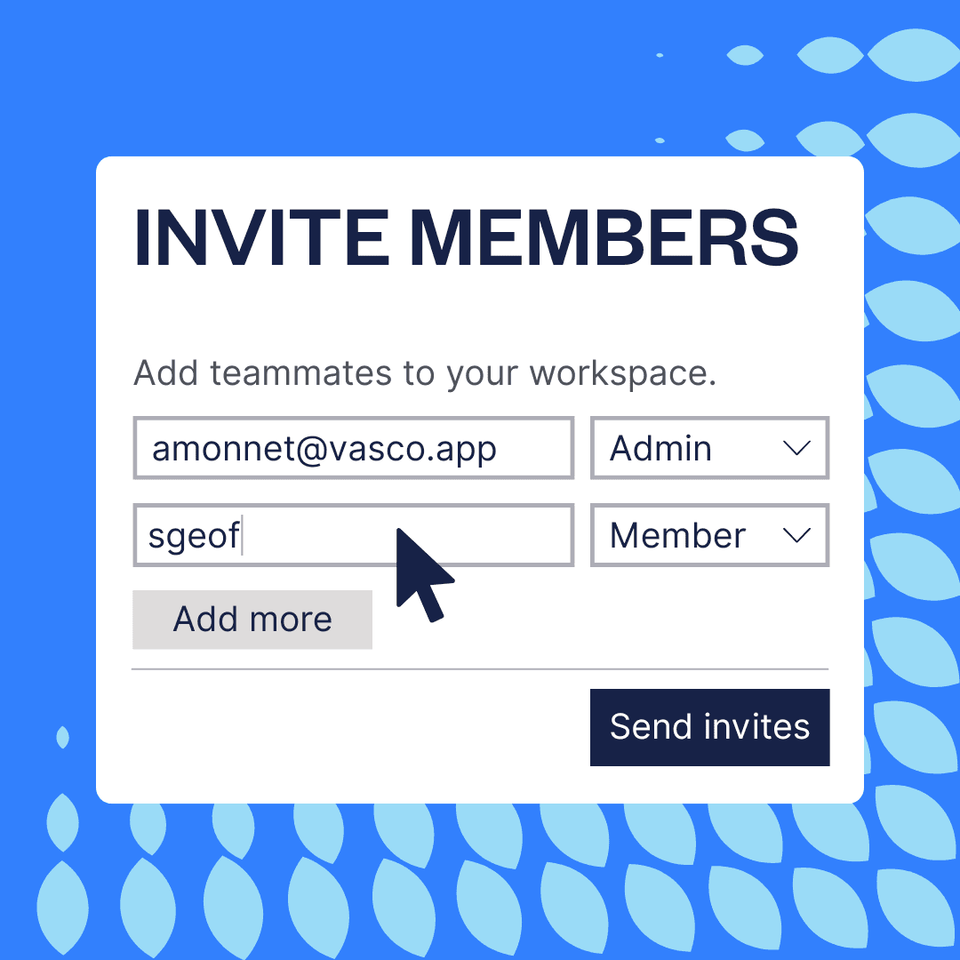
Once value is clearer, make it easy to bring collaborators in. This could mean adding teammates in one click, assigning pre-set roles, or automatically inviting others based on usage patterns. The goal is to help adoption grow naturally across the account.
4. Let users experience value before they commit
Free trials and freemium plans are core to any PLG motion. They come in different forms, but the goal is always the same: help users explore the product, see its potential, and build trust before asking them to pay.
- A free trial offers access for a limited time, giving users a chance to experience the full value without risk.
- A freemium model grants ongoing access to a limited version, often restricting usage (like Loom capping the number of videos) or gating advanced features.
- Some tools go further by displaying all features from day one, even if only a few are usable.
The key is to surface value early and let the upsell follow naturally.
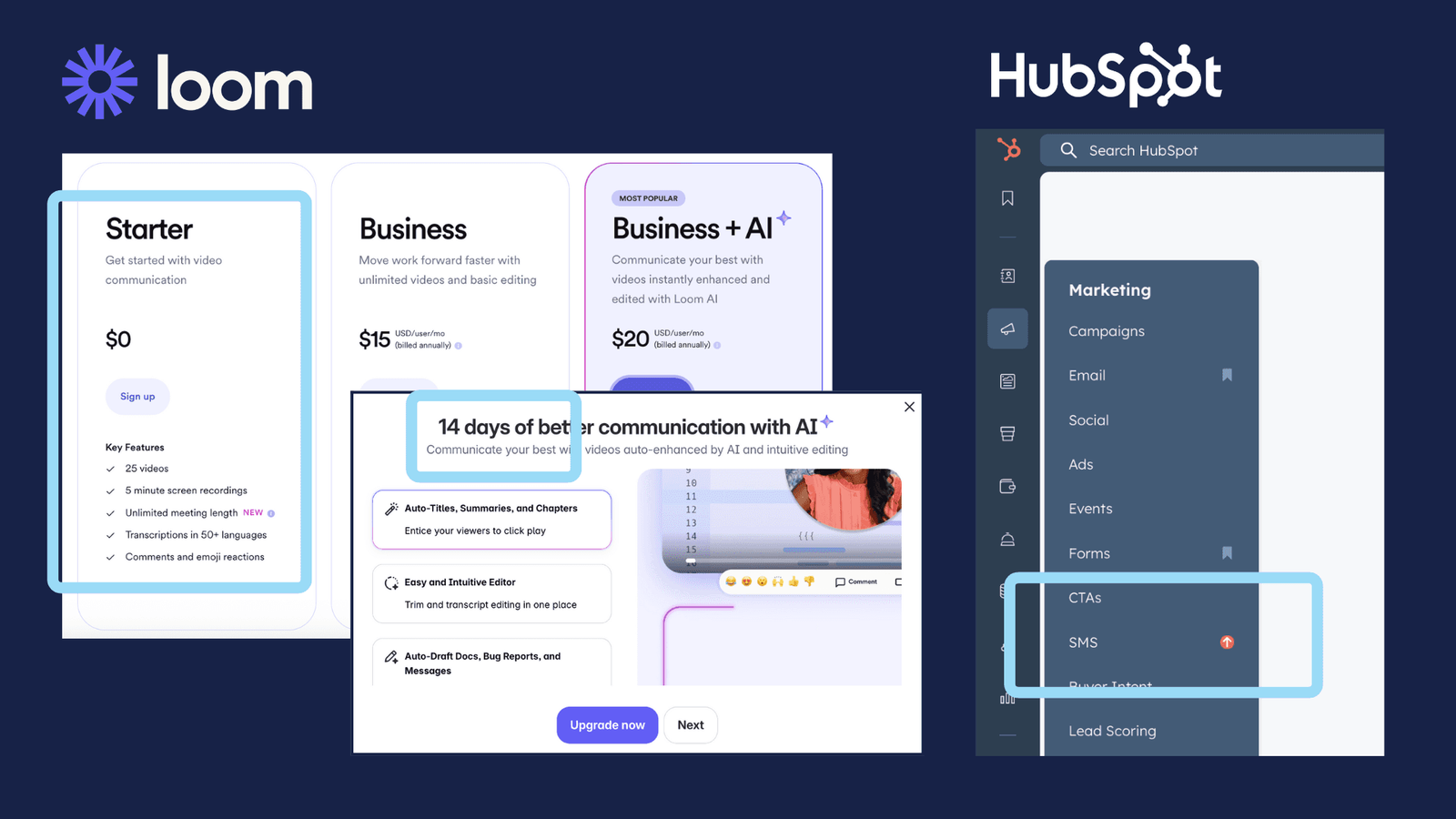
Loom combines freemium and free trial: users can start with a limited free plan and unlock premium AI-powered features for 14 days. HubSpot shows all its hubs and features in the UI — including gated ones like SMS — encouraging users to explore what's possible before choosing to upgrade.
5. Track user behavior to uncover and fix drop-offs
In a sales-led motion, friction is patched by humans. In PLG, it just becomes churn.
Analytics should be baked into your product decisions from day one. Track key milestones in the journey — like onboarding completion or feature activation — and monitor where users drop off. This tells us more than any NPS survey ever could.
Group behaviors by cohort and role. The patterns are there, and it’s crucial to have the right tools in place to uncover them and act on what you find.
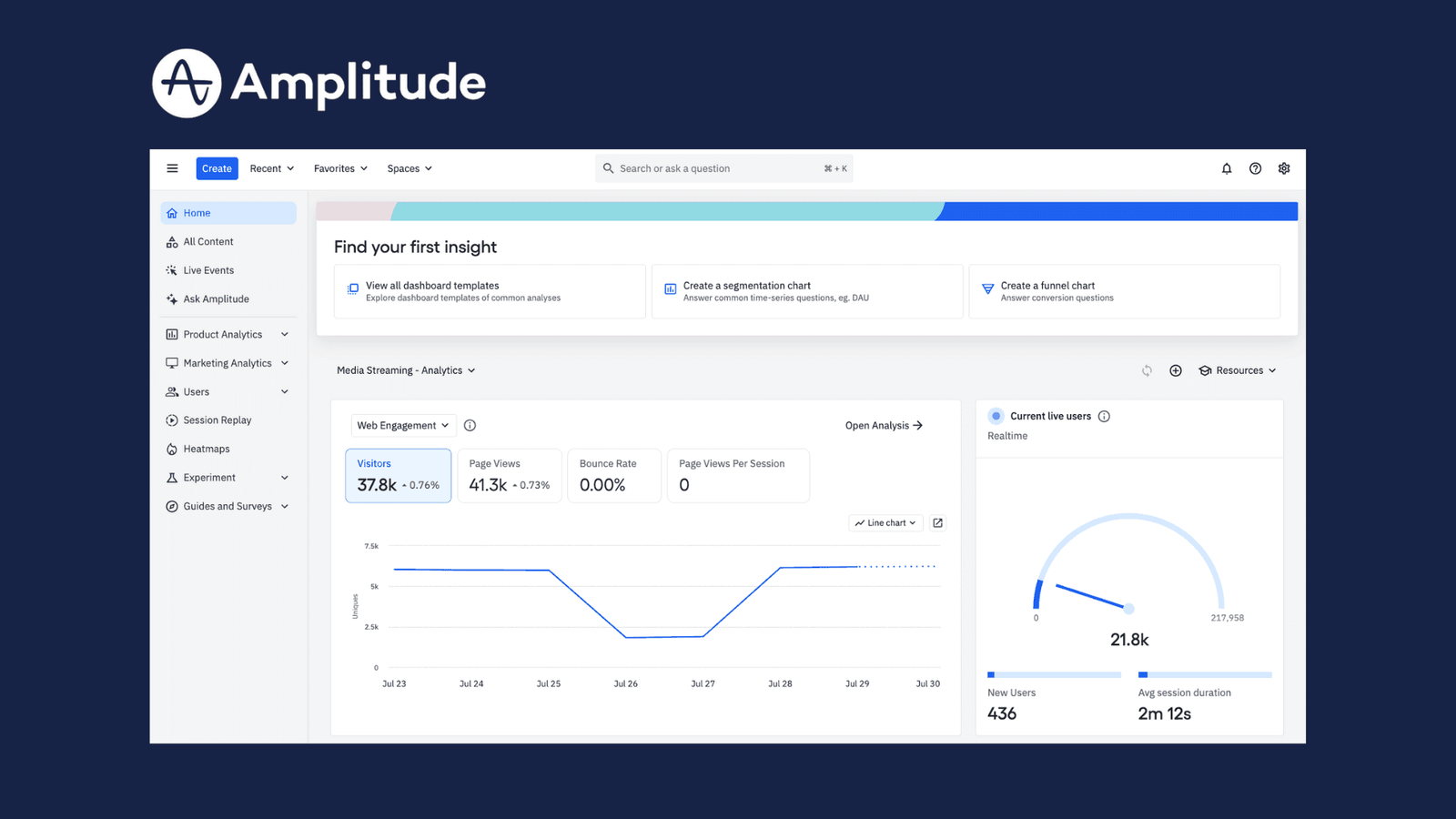
We’ve used tools like Amplitude to map user paths and track whether users complete key actions. We also like that it lets you test value with dummy data before committing.
Bonus: When is the right time to implement PLG?
PLG isn’t a perfect fit for every product. Or at least, not to the same extent. The lower your average contract value (ACV), the more essential it becomes: users expect to self-serve, and your model needs to scale efficiently with low costs of acquisition (CAC). On the flip side, the higher the ACV, the more prospects expect high-touch support, custom onboarding, and a sales conversation.
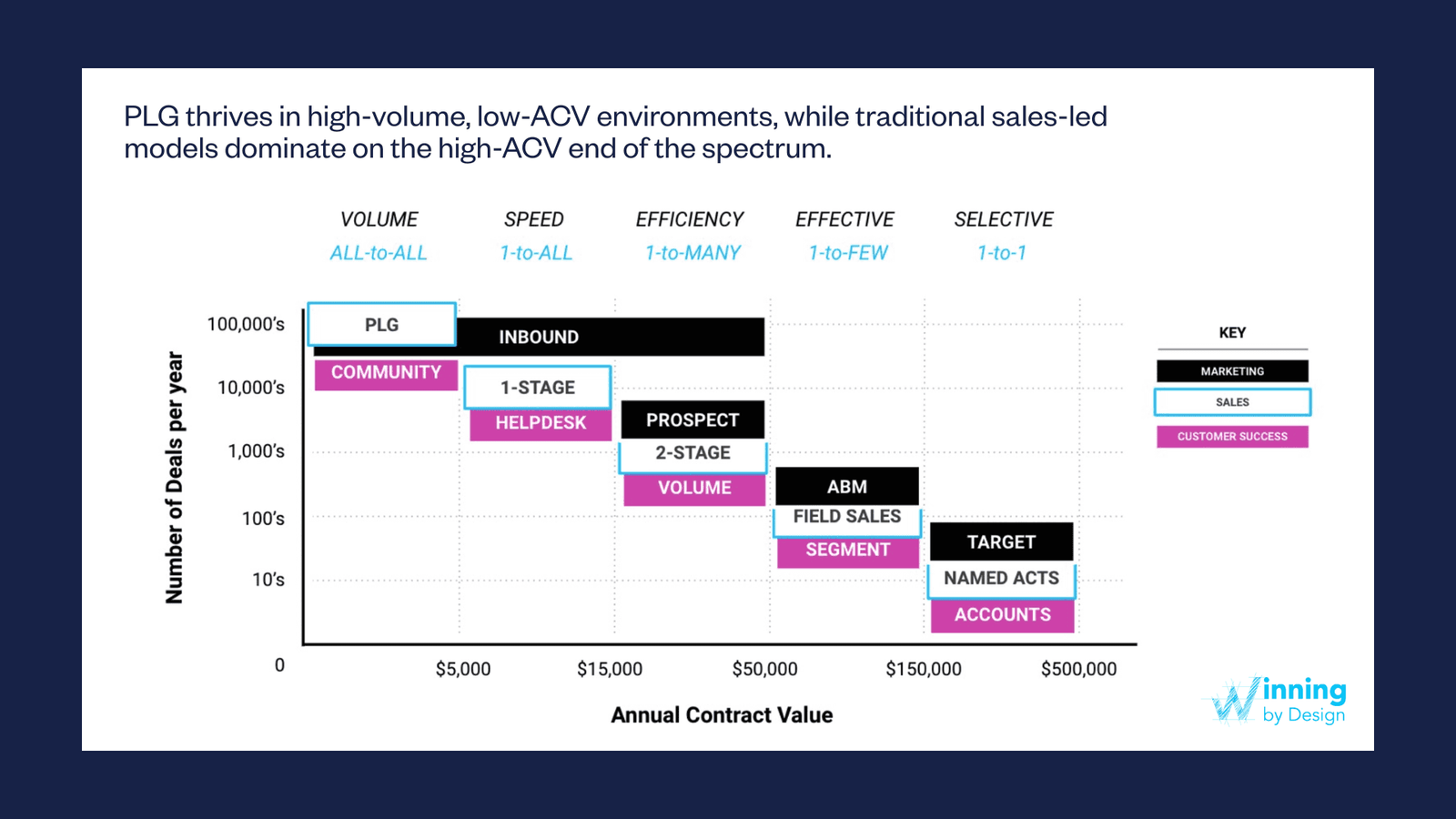
If you're considering PLG, here’s what to look for before you commit:
- You have at least one clear, standalone use case that delivers value without human help.
- Your activation path is observable. You know what “successful” users actually do.
- You can personalize early value without asking users to set up everything from scratch.
- You’re ready to track product usage and iterate based on what you learn.
It works best when your product is ready to sell itself and your team is ready to act on what the data shows.
PLG takes more than a free trial. It requires a product experience designed to deliver early value, adapt to different users, and remove friction at every step.