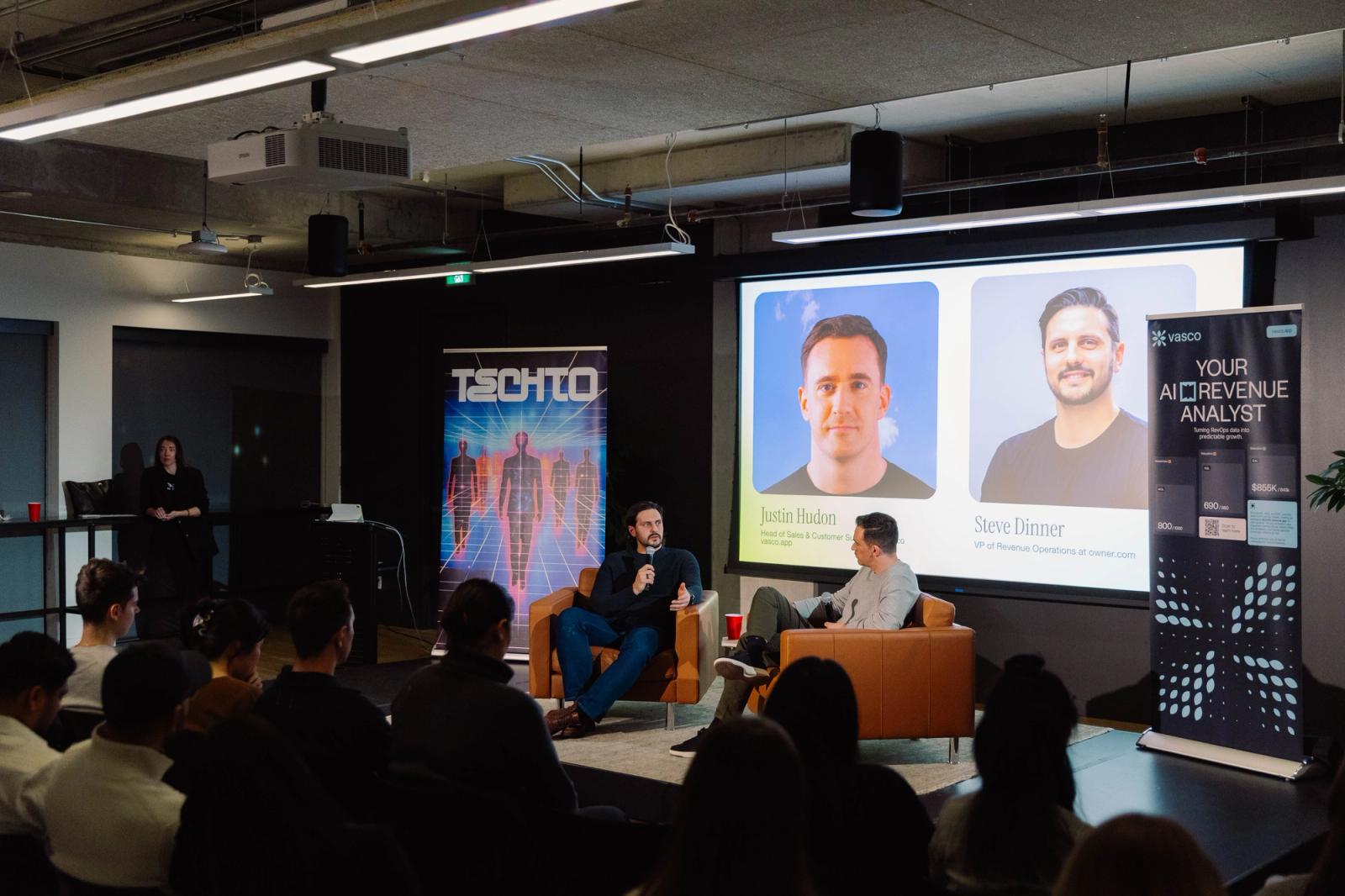
Justin Hudon, Head of Sales & CS at Vasco, and Steve Dinner, VP of Revenue Operations at Owner recently explored why RevOps must evolve beyond rigid infrastructure. They argued that when systems are built around people, they become collaborative frameworks. And by designing for the needs of the team, RevOps can uncover the unique revenue potential that only empowered sales talent can deliver.
The cost of designing from distrust
RevOps didn't earn its reputation for saying no by accident. It's what happens when systems are built to assume that people need to be controlled into doing the right thing.
Steve Dinner, a former BDR turned RevOps leader, has seen this pattern play out across organizations:
"If your processes aren't empathetic to the reps — if your workflows don't believe that your reps want to do the right thing — then you've kind of already failed from the start."
The proof is in a simple experiment Steve ran early in his RevOps career. He added one metric to a dashboard his BDR team already checked every day: the percentage of calls that went to tier-one accounts, with no announcement or mandate. Overnight, the team’s number of tier-one account calls went from 40% to 85% overnight.
All they needed was visibility into the right data. No incentive was needed, and that's the difference controlling systems miss. Trusting people with the right information produces results that mandates never could.
Performance problems are often system problems
A rep navigating five open tabs, no clear priority, and a CRM built for a VP's reporting needs isn't underperforming out of laziness. Too often RevOps systems ask them to carry too much context before they've made a single call.
The solution is to get close to the frontline through ride-alongs, listening sessions, and direct observation. This reveals what reports can't. Yes, the dashboard can show what happened. But what it doesn't show? The workaround someone built at 9am because the right path was too hard.
Steve adds:
"You have to believe in the people on the team that you serve. No one's paying you to make beautiful technology or beautiful diagrams. They're paying you to help these folks sit there and call and get told no and help them get results."
Holding the system to the same standard as the rep is what separates empathy-driven RevOps from just piling on processes.
Freedom comes from standardizing the right things
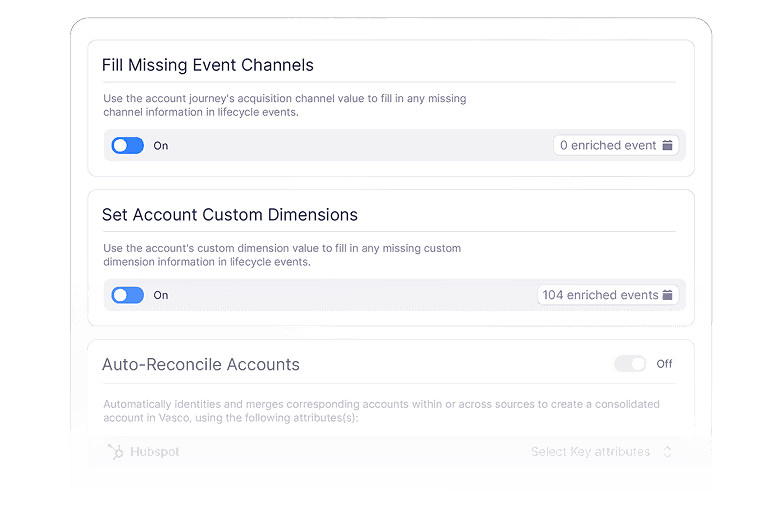
A good framework creates freedom by design. Make anything the system can own seamless or invisible. What remains is what only a human can do: the conversation, the relationship, the judgment call.
As Steve puts it:
"I'm looking to create within these frameworks as much room for creativity and personality to flourish."
Once the framework is understood as a tool for protecting time and energy (rather than controlling behavior), resistance turns into ownership.
Engineer for flow state
Not long ago, Steve sat down to make calls himself, something he hadn't done in a minute. He found himself staring at the button:
"It had been a while, and I sat there and stared at that button. I realized it's more than just theory. It's more than just 'why wouldn't you sit here and press this 200 times?'"
That moment is what empathetic system design starts from. So when Owner rebuilt their outbound engine, they asked one question: what does it take to be really successful and fulfilled in this role?
The answer shaped everything about how their system was designed to:
- Prepare reps for every call: Only the right information in the right order
- Maintain momentum: Create the shortest possible gap between calls
- Improve call performance: Group leads by similar attributes so reps get into a rhythm and improve faster
- Promote focus: Have dedicated team calling blocks so everyone is focused at the same time
- Nurture talent: Have managers in the room for quick coaching right after a hard no
Whatever the activity, the question is the same. What does a focused, fulfilling version of this look like, and what does the system need to do to make that the default?
Coach the process, not just the person
An empathy framework also changes what RevOps hands to sales leaders as a coaching tool.
When teams assume people want to do well, the first question shifts from "who's underperforming?" to "where is the process letting them down?"
Stage-level data makes the practical insights visible. Rather than a vague conversation about numbers, leaders can point to exactly where things are breaking down and design around it.
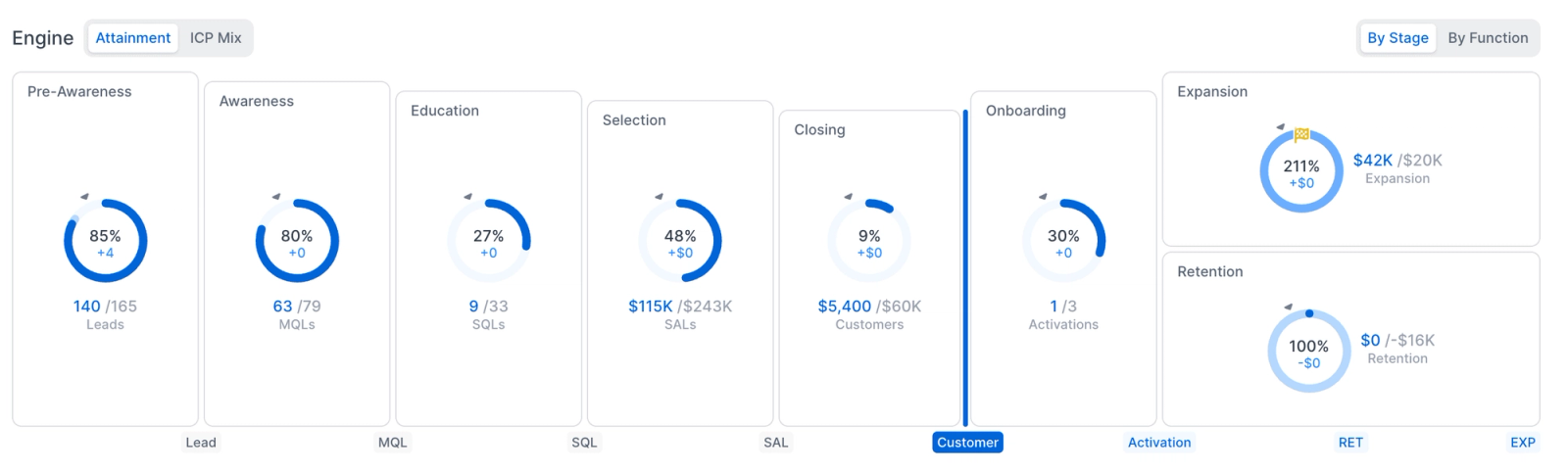
Justin describes what that looks like in practice:
"You can really just pinpoint exactly where your focus should be with that rep, or with that team, or with that channel. If your rep is taking longer between stage 2 and stage 3, what can you take from that specific rep and pass along to others?"
When reps get visibility into what's working for their peers, they use it. That's why empathy-driven systems create the conditions for that success to spread.
AI won't save a system built on distrust
The AI boom has given RevOps a lot of new tools. Using them to add more dashboards, more tracking, and more enforcement points in the wrong direction.
There are real people making decisions from carefully curated pipelines. RevOps' job is to give them clarity on the next best action, reduce the friction standing between them and that action, and build systems that remember so humans don't have to.
Empathy isn't soft. It's the RevOps design principle that helps sales teams thrive.